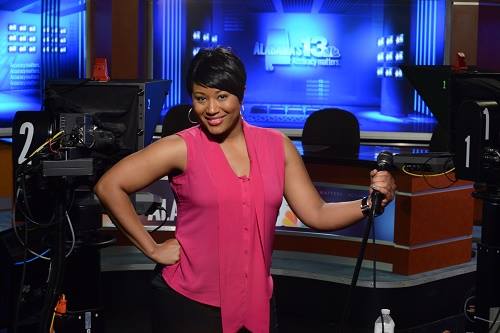
Kenisha Shamburger Photo by Handy Photo Media
By Chanda Temple
Picture this: You’ve just pulled out of your driveway and you’re headed to work. On the way, you hit a patch of black ice and your car goes zooming into a ravine. You hit a tree, head on.
The airbag deploys and you walk away – without a drop of blood on you. Minus a swollen right eye, you think things are good.
But future doctor examinations will reveal something else: You have high pressure in your eye, which threatens the life of your right eye. Your vision is touch and go. You develop glaucoma and later have a cornea transplant and then an eye transplant. Two years after all of that, your eyelid begins to droop. What would you do?
For Kenisha Shamburger, all she could do was lean on her faith.
“For a long time, I couldn’t read or watch TV. Things were blurred and I couldn’t see,” she said of what she experienced before the eye transplant. “I would literally have to sit in bed and talk to myself, saying, ‘You will not die. You will not quit.’ ’’